 For Client Support:


 Blog Details
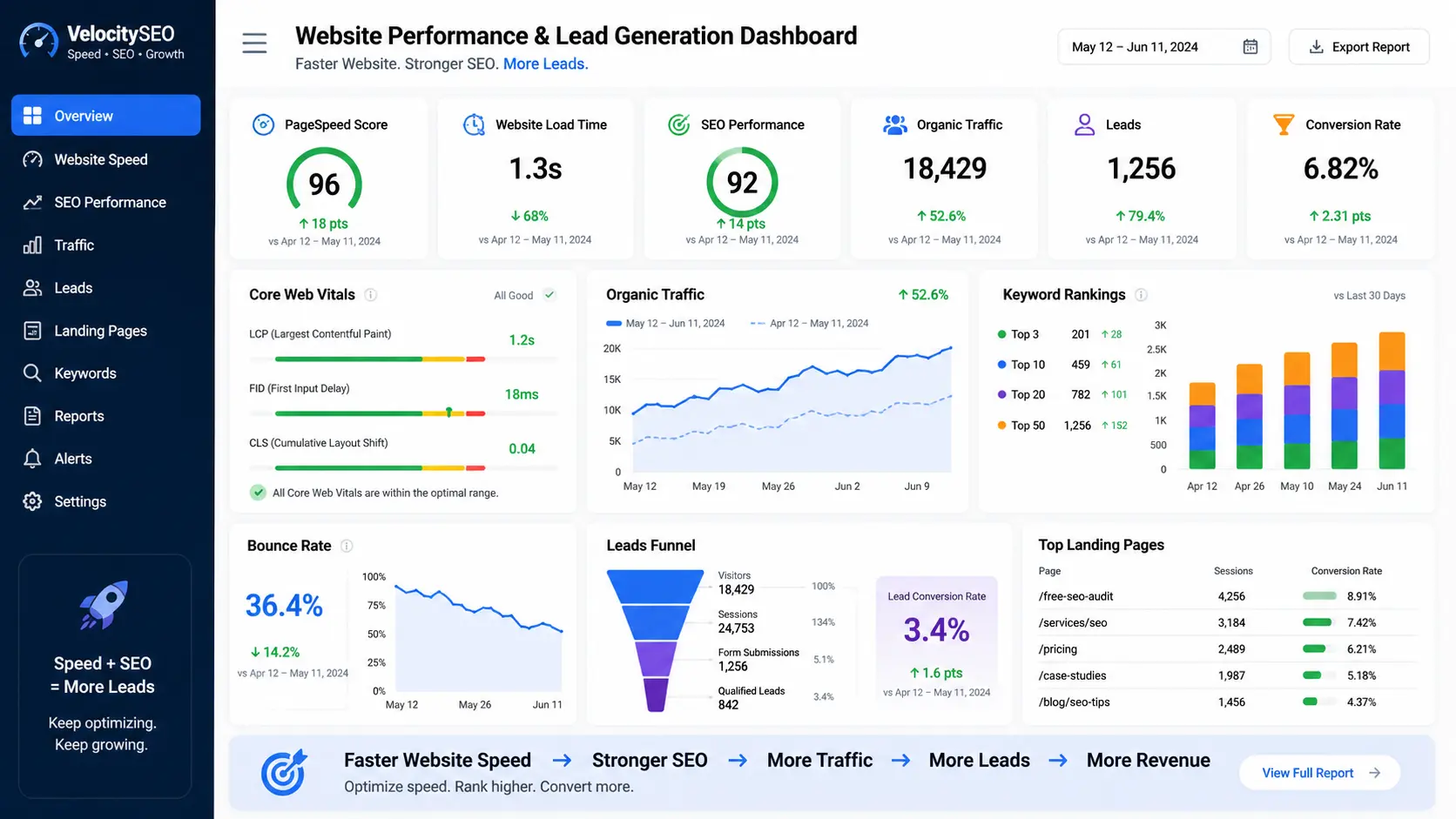

Businesses evaluating website speed and seo need practical guidance that accounts for security, cost, maintainability, and customer experience. This guide from Cloud Technology Computing explains the decisions and implementation checks that matter most.
Measure Before Changing Anything
Use PageSpeed Insights and real-user measurements where available. Record page type, device, Core Web Vitals, image weight, and third-party scripts so improvements can be compared fairly.
Improve Largest Contentful Paint
Optimize the main visible image, reduce render-blocking resources, and configure caching. Prioritize the above-the-fold content instead of lazy-loading the primary hero image.
Reduce Layout Shifts
Specify image dimensions or aspect ratios, reserve space for dynamic content, and avoid inserting banners above existing content. Load fonts carefully to reduce unexpected movement.
Improve Interaction Responsiveness
Minimize heavy JavaScript tasks, remove unused scripts, and test menus and forms on mobile devices. Interaction to Next Paint (INP) is a Core Web Vital; First Input Delay (FID) is a retired metric.
Make Pages Search-Friendly
Write descriptive titles, unique meta descriptions, semantic headings, relevant internal links, image alt text, canonical URLs, and useful content that answers search intent.
Track Results Over Time
Use Google Search Console for indexing and search performance and analytics for engagement. Monitor changes after deployment rather than assuming a technical improvement guarantees higher rankings.
Next Steps
Document your current systems, prioritize the highest-impact improvements, and test changes before production deployment. For help planning cloud infrastructure, custom software, or website optimization, contact Cloud Technology Computing.



0 Comments