Houston, Texas, United States

Cloud Migration and Cost Optimization for Small Business Infrastructure

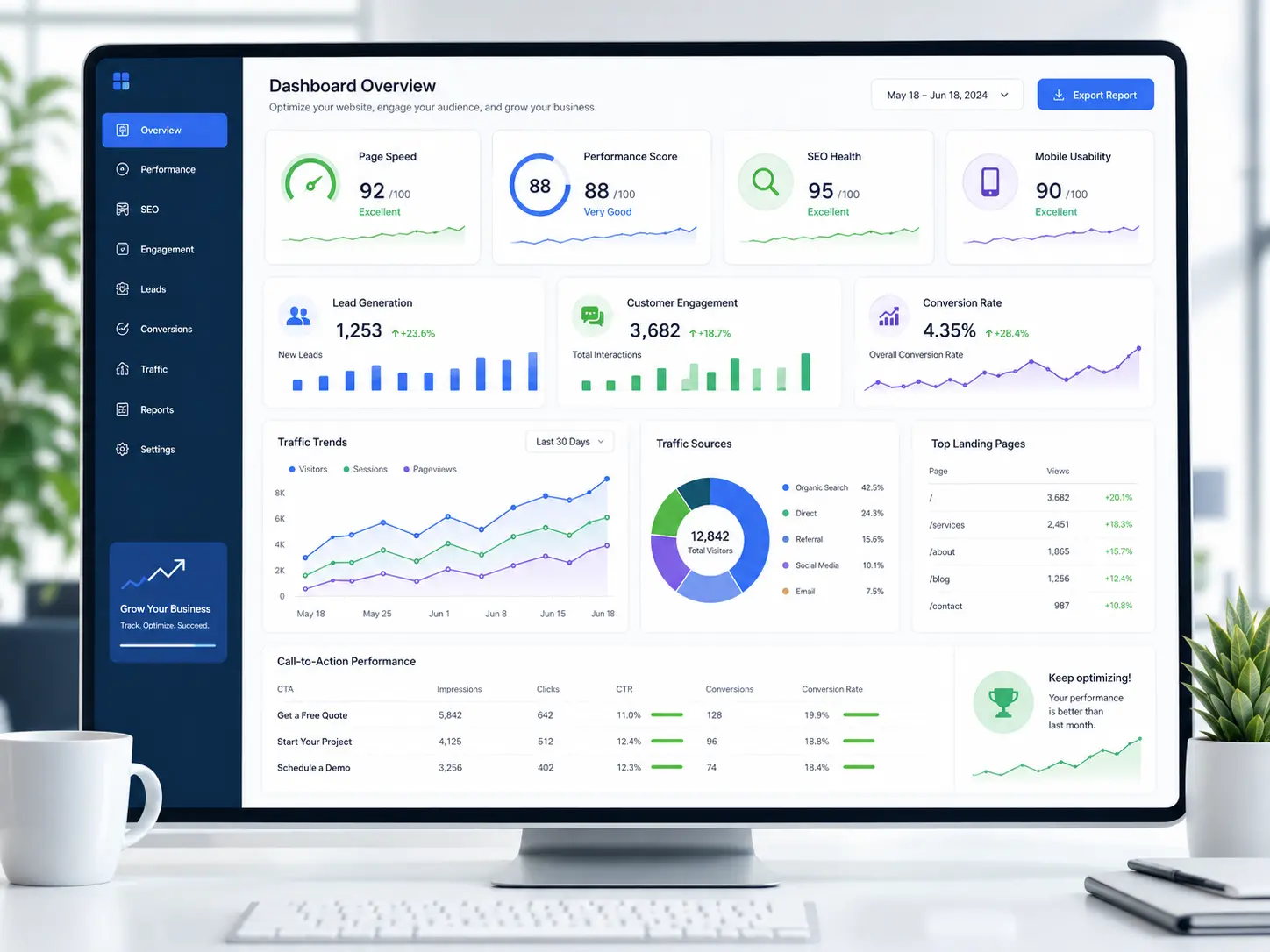
Cloud migration and cost optimization dashboard for small business infrastructure

Cloud Technology Computing created a cloud migration and cost optimization strategy to help small businesses move away from limited hosting environments and toward a more scalable, secure, and flexible cloud-based infrastructure.

The goal was to improve performance, reduce unnecessary technology costs, strengthen backup options, and create a foundation that could support future business growth.

The Challenge

Small businesses often start with basic hosting, shared servers, manual file storage, and disconnected tools. These setups may work at first, but they can create problems as the business grows.

  • Slow website performance
  • Limited scalability
  • Manual backups
  • Unclear hosting costs
  • Disconnected tools and data
  • Poor disaster recovery planning
  • Difficulty handling traffic spikes
  • Limited cloud security structure
Small business hosting limitations before cloud migration
Cloud migration solution for scalable small business infrastructure

The Solution

Cloud Technology Computing designed a practical cloud migration plan focused on performance, security, cost control, and scalability.

The solution focused on moving key systems into a more flexible cloud-ready structure while avoiding unnecessary complexity. The goal was not to use every cloud service available, but to choose the right services for the business.

  • Reviewing the current website and hosting setup
  • Identifying unnecessary technology costs
  • Planning cloud hosting improvements
  • Optimizing images and static assets
  • Improving backup and recovery options
  • Strengthening HTTPS and secure access
  • Preparing database-driven systems for growth

Implementation Process

The project started with a technical review of the existing environment. Cloud Technology Computing reviewed website performance, hosting limitations, image sizes, database needs, backup practices, and growth goals.

Next, the infrastructure was organized into a clearer migration plan. Priority was given to systems that directly affected website speed, customer experience, data safety, and business operations.

After the migration planning phase, optimization steps were applied to reduce page weight, improve asset delivery, strengthen security, and prepare the system for future cloud-based applications.

Results and Business Impact

The cloud migration strategy gave the business a stronger technical foundation and a clearer path for future growth.

  • Better website performance
  • Improved scalability planning
  • Reduced unnecessary infrastructure waste
  • Stronger backup strategy
  • Better cloud readiness
  • More organized technology roadmap
  • Improved security posture
  • More reliable digital operations
  • Better preparation for future automation and AI tools

Cloud migration is not only a technical upgrade. It is a business growth strategy. By improving infrastructure, businesses can reduce downtime, improve user experience, protect data, and create more room for future digital services.

Cloud migration results and cost optimization business impact

Final Thoughts

A successful cloud migration starts with strategy. Moving to the cloud without planning can create cost problems, security gaps, or performance issues. But when done correctly, cloud migration can help small businesses reduce waste, improve reliability, and prepare for long-term growth.

Cloud Technology Computing helps small businesses evaluate their current systems, choose the right cloud strategy, optimize costs, improve performance, and build scalable technology foundations.

Book a Free Cloud Migration Consultation

Azure cloud migration and hosting optimization image
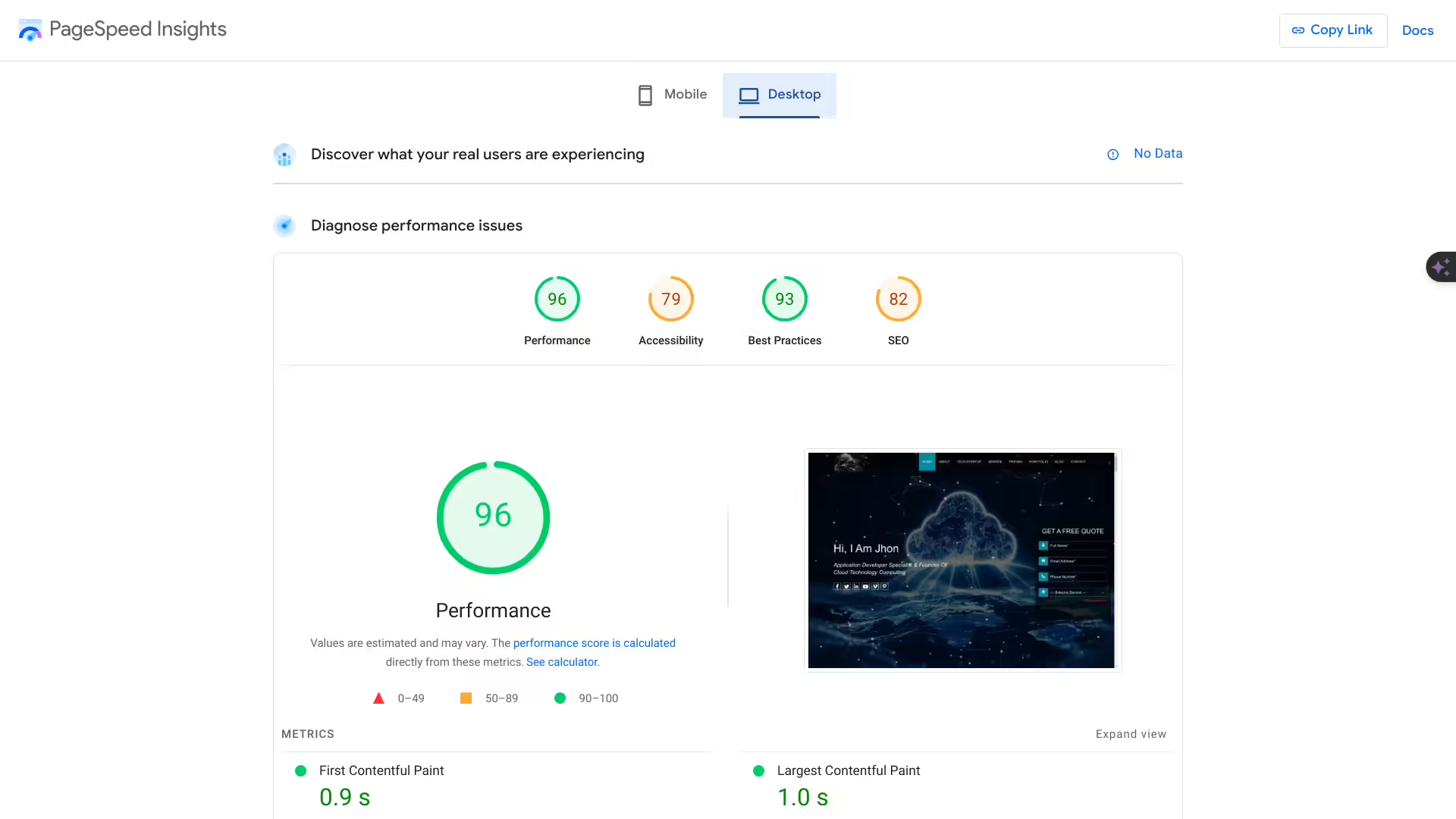
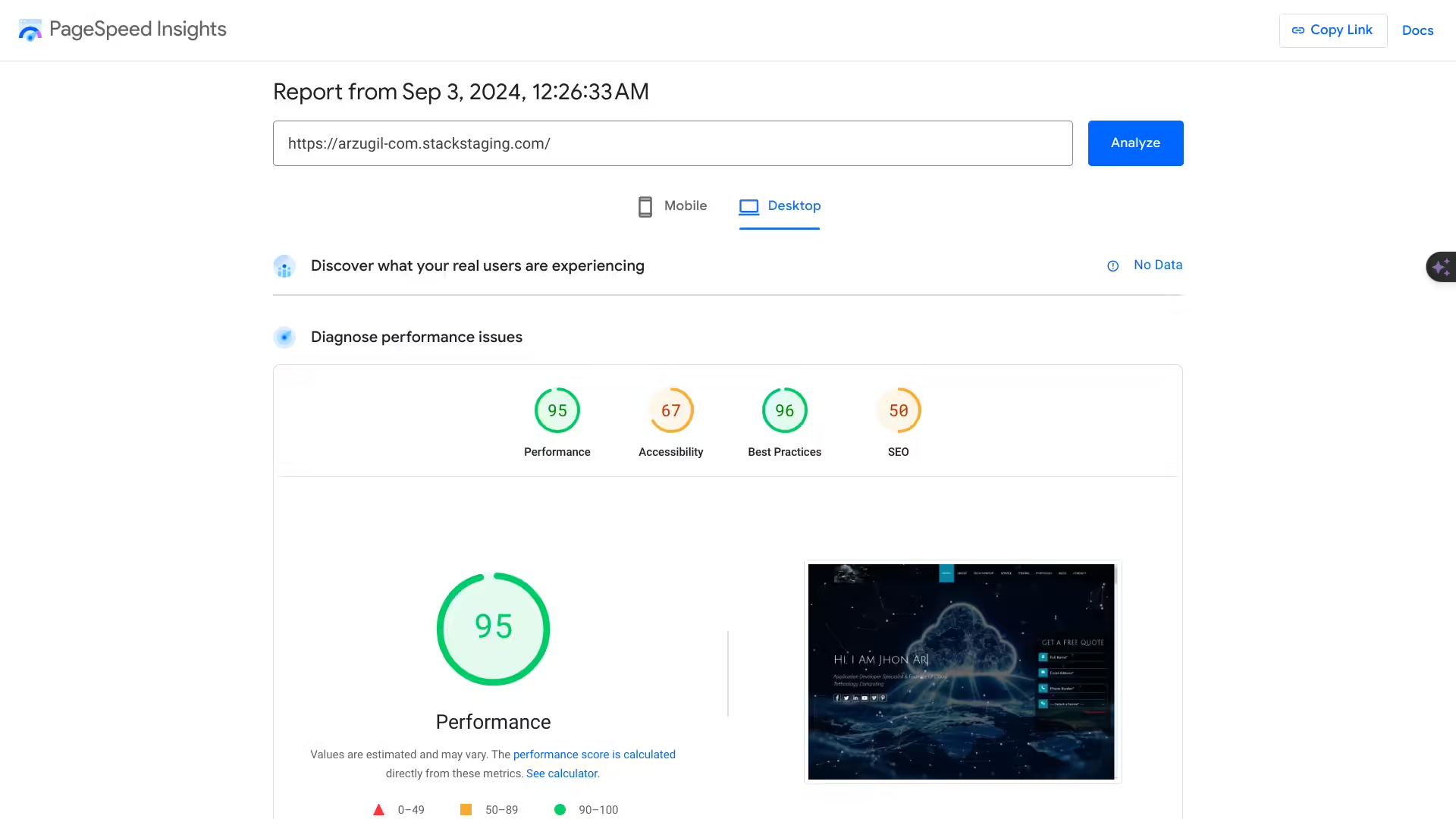
Hosting performance and page speed optimization report

Chatbot

Hey there 👋
How can I help you today?